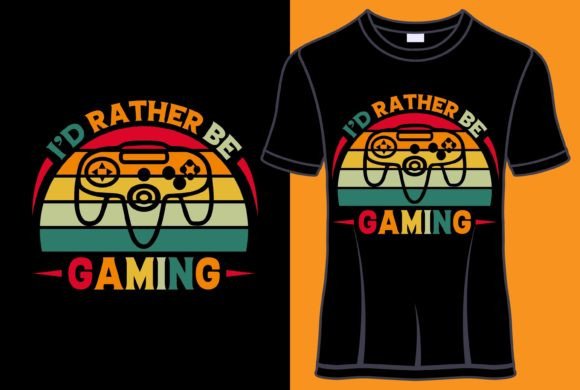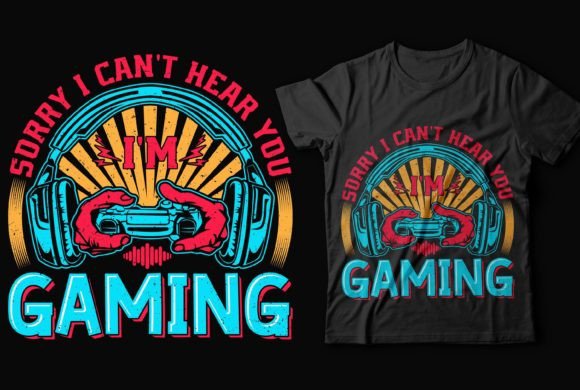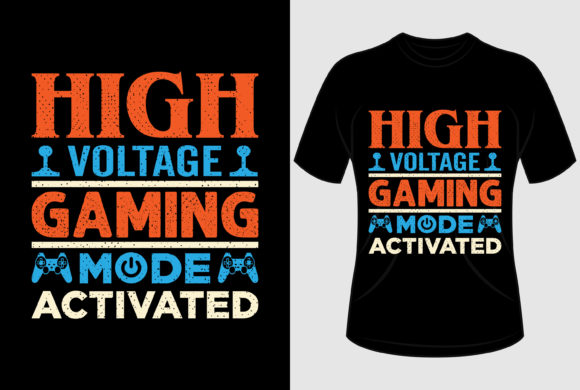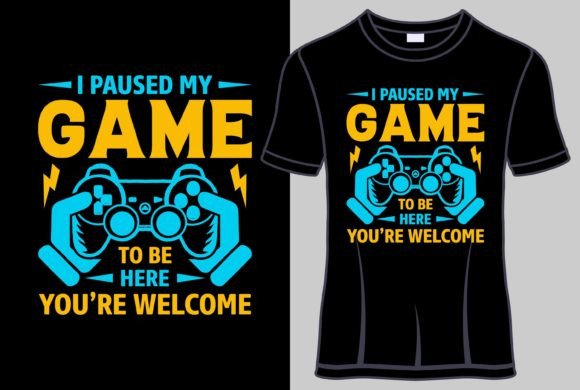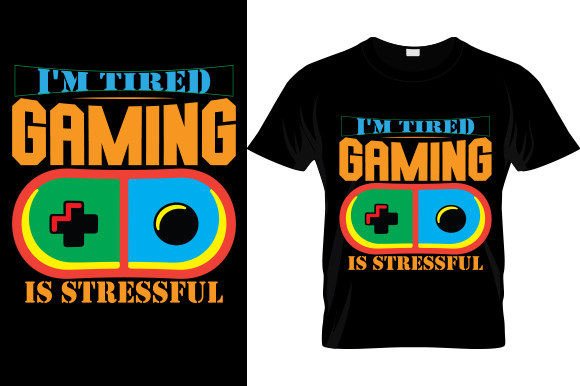
The "I'm Tired Gaming is...." T-Shirt Design: A Process-Driven Asset for Creators
In the world of digital creation and merchandising, assets are not just images; they are components of a larger workflow. The I'm Tired Gaming is ....T-shirt Design exemplifies this perfectly. It is a complete, print-ready digital package designed for integration into a production pipeline. This isn't merely a humorous sentiment about gaming fatigue; it's a professional resource that requires understanding its place within a creator's process. For entrepreneurs, hobbyists, and small business owners in the apparel and gift space, this design represents a starting point for a tangible product, but its value is unlocked through systematic implementation.
Understanding the Design Package as a Workflow Input
The I'm Tired Gaming is.... design arrives not as a single file, but as a curated collection. This structure is the first critical point of integration. The provided formats—EPS, SVG, PNG at 4500×5400 resolution—are each tools for different stages. The EPS and SVG files are vector-based, meaning they are infinitely scalable without quality loss. This is essential for pre-production and quality control, allowing you to adapt the design for various product dimensions, from a small mug handle to a large poster, without needing to recreate artwork. The high-resolution PNG serves as a reliable bitmap fallback for direct placement or quick proofs.
These files are compressed into a single ZIP archive, a standard but crucial step in asset organization. Proper extraction using tools like WinRAR or a direct double-click is the initial action in the workflow. Failure to correctly unpack the assets can lead to file corruption or confusion, disrupting the entire process from the outset. This design package is, therefore, an input that demands a specific handling procedure to ensure it moves smoothly into the next phases of your project.
Integration into Product Creation and Manufacturing Processes
The primary stated use is for sublimation, a dye-transfer printing method. Here, the design interacts directly with physical materials and manufacturing techniques. The workflow typically involves: prepping the design in a software like Photoshop or Illustrator (using the provided EPS/SVG), mirroring it for sublimation transfer, printing it onto special paper using a sublimation printer, and then heat-pressing it onto a polyester substrate like a t-shirt or mug. The high 300 dpi resolution of the PNG file is critical here, as sublimation requires detailed, crisp artwork to produce a vibrant, durable final product.
This process highlights the design's role in compatibility and preparation. Not all designs are suitable for sublimation; they must be able to withstand the heat and pressure process without degrading. The vector files offer the flexibility to test and adjust colors or elements to suit different base materials—a white mug versus a black t-shirt bag, for instance. For a creator, this means the asset is not a final product but a component that undergoes transformation through your technical execution.
Practical Implementation Across Multiple Output Channels
The description lists t-shirts, mugs, bags, posters, and cards. This isn't just a list of ideas; it's a map for parallel workflow branching. Each product type represents a distinct sub-process with its own requirements.
- T-Shirts: Involves sizing the design appropriately for garment dimensions (using the SVG to scale), choosing placement (center chest, full back), and selecting the correct shirt blend (high polyester content for sublimation).
- Mugs: Requires wrapping the design to fit the mug's curved template. The vector format allows distortion and adjustment without pixelation.
- Posters & Cards: Shift the workflow towards digital or offset printing. The high-resolution PNG becomes the primary asset here, ensuring print-sharp text and graphics.
For a small business owner, this single design package can feed multiple product lines, aiding in consistency and efficiency. You can create a cohesive merchandise set from one master asset, reducing design time and maintaining brand unity across items.
Organizing the Asset for Long-Term Use and Scalability
After extraction, the files should be systematically integrated into your digital asset library. This step is about long-term usability and organization. Creators should store the EPS/SVG files in a "Master Vector Assets" folder and the PNG in a "High-Res Renders" folder. Proper naming conventions (e.g., "Im_Tired_Gaming_Master_EPS") ensure the asset remains retrievable and recognizable for future projects, whether for a new product run or a seasonal sale.
This organizational practice turns the purchase from a one-time transaction into a reusable resource. If you later invest in a different printing technology like DTG (Direct-to-Garment), you already have the vector files ready to adapt for that new workflow. The design's utility scales with your business.
Workflow Examples: From Asset to Market
Consider a freelance creator aiming to sell products on a platform like Etsy. Their integrated process might look like this:
- Acquisition & Unpacking: Download and extract the ZIP file for the I'm Tired Gaming is ....T-shirt Design.
- Adaptation: Open the SVG file in design software. Adjust colors or resize specifically for a mockup of a t-shirt and a separate mockup for a coaster.
- Mockup Creation: Use the adapted designs to create product photos for their online store using mockup templates.
- Production Trigger: Upon customer order, use the final adapted file to send to a sublimation printer or to print themselves for heat-pressing.
- Inventory Management: Archive the final production-ready files linked to that product SKU for future reorders.
This example shows the design acting as the core asset that moves through digital adaptation, marketing, and physical manufacturing stages, touching multiple tools and decisions along the way.
Key Factors for Smooth Integration and Quality Outcomes
To successfully weave this design into your workflow, attention to a few factors is paramount. Preparation means ensuring your software (Illustrator, CorelDRAW, etc.) can handle EPS and SVG files. Usability involves understanding the design's composition—the text and graphical elements—to know how it might need modification for different products. For instance, the phrase's layout might need tightening for a small bag tag.
Efficiency is gained by using the vector master to generate all size variants, rather than manually recreating. Quality control is performed by proofing the design on various mockups before committing to physical print, a step made easier by the high-quality source files. Finally, consider the design's compatibility with your audience; the gaming-centric message fits a specific niche, guiding your marketing and product listing workflow to target the right communities.
In essence, the I'm Tired Gaming is ....T-shirt Design package is more than a graphic. It is a workflow catalyst. Its value is realized not at the moment of download, but through its deliberate and informed integration into your creative and production processes. By treating it as a professional asset—organizing it, adapting it with the right tools, and channeling it through proven manufacturing methods—you transform a downloadable ZIP file into a range of physical products that resonate with a specific, tired-but-passionate audience.