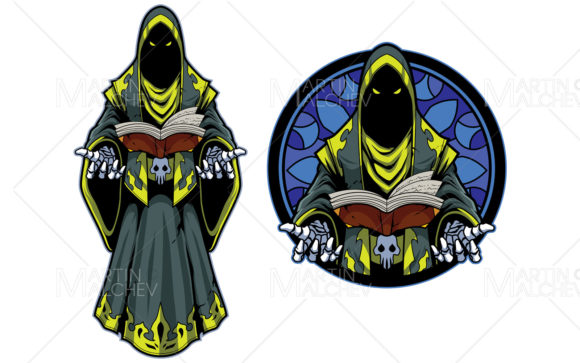
The Dual Archetypes of the Necromancer Mascot: From Fantasy Villain to Gaming Icon
In the vast pantheon of fantasy characters, the necromancer occupies a uniquely complex space. Traditionally depicted as a sinister figure cloaked in shadow, commanding legions of the undead, this archetype has undergone a remarkable evolution within modern culture. Its transition from a narrative antagonist to a celebrated symbol—a Necromancer Gaming Mascot—speaks to a deeper fascination with power, strategy, and the subversion of expectations. This transformation is not monolithic; it manifests in two distinct yet interconnected versions: one rooted in classic fantasy lore, and another reimagined for the competitive spirit of team identity.
Deconstructing the Classic Fantasy Necromancer Character
The foundational version of the necromancer character is steeped in mythology and literary tradition. This figure is often a scholar of forbidden arts, a practitioner who bends the natural order by summoning, communicating with, or controlling spirits and corpses. Their power is not brute force but cunning intellect and profound, often unsettling, knowledge. Characteristics include a mastery of occult symbols, a connection to ancient languages, and a stoic, relentless demeanor. They operate from ruins, crypts, or isolated towers, embodying a theme of knowledge as power, albeit a dangerous one.
The visual language of this classic version is rich with symbolism. Think of ragged robes suggesting agelessness, intricate amulets and bone fetishes, and a palette dominated by deep purples, blacks, and bone whites. The staff or orb they carry is seldom just a weapon; it is a focus, a repository of accumulated power. This aesthetic is not merely about horror; it communicates a narrative of dedication, sacrifice, and a willingness to traverse boundaries others fear to cross. For creators, this version offers a deep well of inspiration, providing a character that is immediately recognizable yet capable of immense nuance.
The Necromancer as a Symbol of Strategic Depth
Beyond its dark exterior, the fantasy necromancer archetype inherently represents strategic, methodical thinking. In games and stories, their strength lies in preparation, in having resources—minions—that can be deployed tactically, and in abilities that often control the battlefield indirectly. This makes them a compelling symbol for concepts beyond fantasy gaming. They can represent meticulous planning in business, the leveraging of existing resources in project management, or the scholarly pursuit of forgotten knowledge in educational contexts. The character embodies the advantage of a different approach, of working through layers and proxies rather than direct confrontation.
The Evolution into a Modern Team Mascot
The second version of the necromancer character arises from this strategic core, shedding some of its traditional villainy to become a potent Team mascot. In this incarnation, the necromancer is reborn as a symbol of team unity, resilience, and tactical superiority. A gaming team or esports organization adopting a necromancer mascot is making a deliberate statement. It says: "We are clever, we are relentless, we control the game from a position of deep understanding, and we always have another asset ready to rise."
This mascot version focuses on the communal aspect of the necromancer's power—commanding a unified legion. It translates the "undead army" into a metaphor for a cohesive team that operates as one entity, where each member plays a specific role in a larger, unstoppable strategy. The aesthetic here often becomes more streamlined and bold. Colors might be more vibrant—team greens, blues, or reds integrated with the classic dark tones. The mascot's posture is confident, commanding, often facing forward rather than hunched in study. It projects collective power rather than isolated sorcery.
Practical Applications and Brand Identity
The practical use of a necromancer mascot, particularly in its team-oriented form, is extensive. For a gaming team, it provides a instantly recognizable logo and brand identity that conveys strategic prowess. For content creators and streamers, it serves as a unique avatar that sets their channel apart, suggesting a focus on smart, methodical gameplay. Businesses in tech or analytics might use a toned-down version to symbolize data-driven strategies and the "resurrection" of insights from raw information.
The availability of professional vector files, such as those included in a comprehensive package with formats like AI, CDR, EPS, and SVG, is crucial for this real-world application. These files allow the design to be scaled flawlessly for any purpose—from a tiny social media icon to a massive banner at a live event. The high-resolution JPEG ensures quality in print materials like merchandise, posters, and promotional gear. This versatility means the mascot can maintain its visual impact across all touchpoints of a brand or community.
Key Considerations for Adoption and Use
Choosing to employ a necromancer mascot, whether the classic fantasy character or the team mascot version, requires thoughtful consideration. The primary consideration is audience perception. The classic version carries heavier genre connotations and a darker tone, which might perfectly suit a fantasy game, a novel cover, or a themed product line, but could be misunderstood in a more mainstream corporate context. The team mascot version, by emphasizing unity and strategy, broadens its appeal but still retains an edge that signals competitiveness and intelligence.
Another vital consideration is design consistency. Once a version is selected, maintaining its visual integrity across platforms is key to building recognition. The advantage of using core vector files (EPS, SVG) is that they are resolution-independent, ensuring the logo or character art never appears pixelated or degraded. This is essential for professional presentation and long-term brand equity.
Finally, consider the narrative you wish to craft. The fantasy necromancer character tells a story of individual mastery and esoteric knowledge. The team mascot tells a story of collective ambition, tactical revival, and unstoppable momentum. Aligning the chosen version with your core message will maximize its effectiveness and resonance.
Observations on Cultural Resonance and Trends
The rise of the necromancer as a popular mascot reflects broader trends in media and audience tastes. Modern audiences, especially within gaming and online communities, increasingly appreciate complex characters who operate outside traditional heroic archetypes. They value intelligence, long-term strategy, and a certain aesthetic gravitas. The necromancer mascot taps into this, offering a symbol that is cool, smart, and powerful without being simplistic.
Furthermore, in an era where digital presence is paramount, having a strong, unique visual identity is a significant advantage. A well-designed necromancer mascot, available in multiple versatile file formats, provides a ready-made cornerstone for that identity. It can evolve from a simple graphic to a fully fleshed-out character in lore, social media content, and fan engagement, creating a deeper connection with an audience.
In essence, the journey of the necromancer from a feared fantasy villain to an embraced icon of gaming and team spirit highlights a cultural shift. It shows that symbols of power can be reinterpreted, that depth and strategy are valued as much as strength, and that a good character design, supported by professional technical assets, can become a powerful tool for storytelling, branding, and community building in the real world.