From Player to Creator: The Practical Power of Gaming T-shirt Graphics
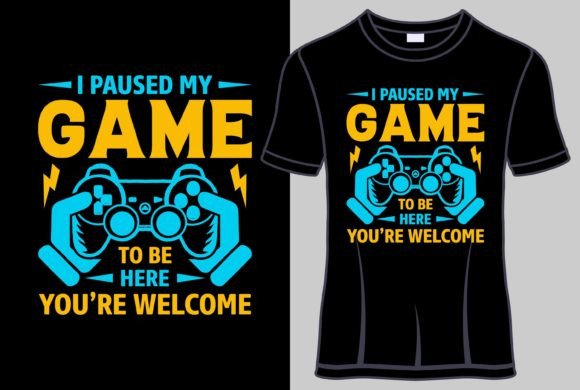
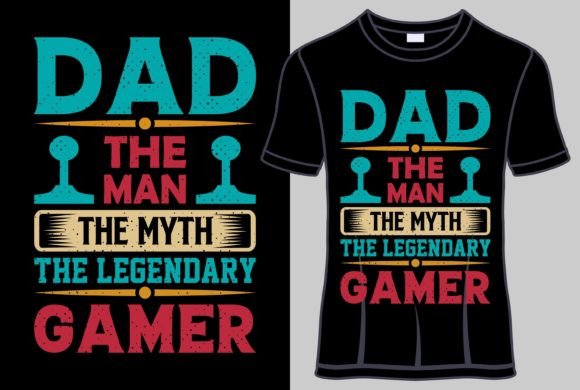
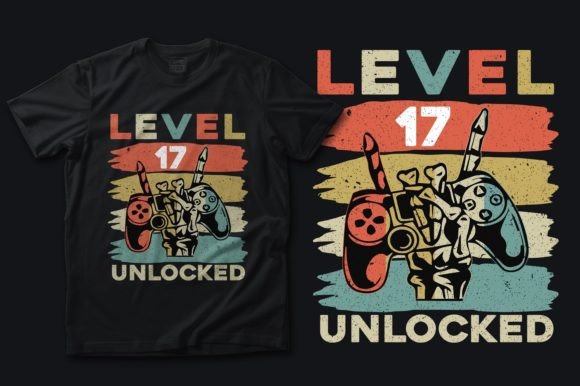
The journey from enjoying a video game to expressing that passion in the real world is a natural progression for millions of fans. It’s a transition from passive consumption to active identity. For the growing cohort of creators, entrepreneurs, and hobbyists in the gaming community, this expression often finds its most tangible form in apparel: the Gaming T-shirt Graphic. This isn’t just a piece of merchandise; it’s a versatile digital asset that serves as a cornerstone for a wide array of creative and commercial projects.
Understanding the Asset: More Than Just a Design
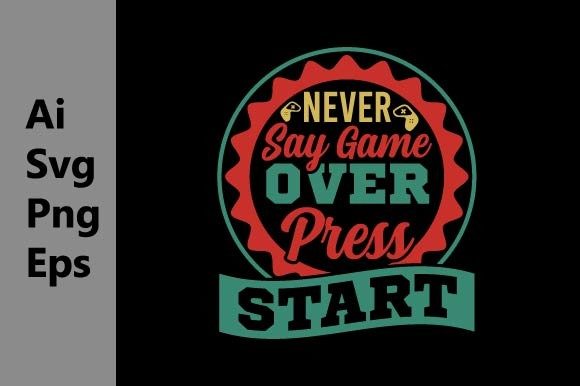
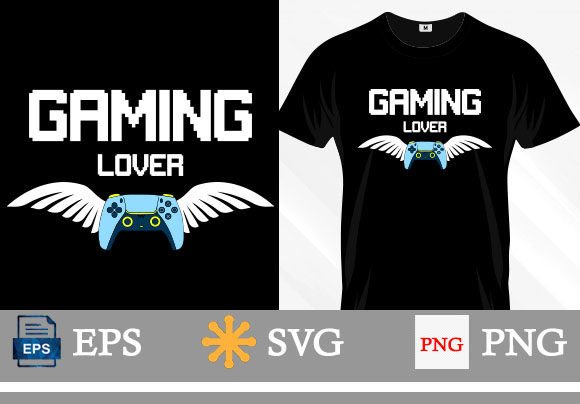
A Gaming T-shirt Graphic, in the context of a creator’s workflow, is a prepared illustration package. As described, it typically includes a suite of file formats like AI vector files, EPS, SVG, PNG with transparent backgrounds at high resolutions, and even DXF. This bundle is engineered for maximum utility. The vector files (AI, EPS, SVG) are the master source, allowing infinite scaling without quality loss, perfect for adapting a design from a tiny sticker to a large hoodie. The high-quality PNG provides a ready-to-use raster image for digital mockups or certain print methods. The inclusion of DXF speaks to compatibility with CAD and CNC processes, expanding its use beyond traditional print into areas like engraved accessories.
This collection fits into the broader process of bringing a concept to market or personal use. It sits between the initial creative idea—the “Video Game” inspiration—and the final physical or digital product. It is the bridge. For a small business owner launching a gaming-themed brand, this asset package eliminates the need to commission multiple file conversions. For a blogger or content creator, it provides ready-made art for merchandise to complement their channel. For a hobbyist, it’s the key to producing a custom gift with professional quality.
Integration into Creative and Business Workflows
The practical value of a comprehensive Gaming T-shirt Graphic package is realized in how it interacts with other tools and stages of a project. Its role can be pivotal at the planning, execution, and scaling phases.
During Project Planning and Mockup
In the initial planning stage, the high-resolution PNG file is immediately useful. Creators can drop it into mockup generators on platforms like Placeit or use it directly in design software like Photoshop or Canva to visualize the final product on a t-shirt, mug, or notebook. This visual step is crucial for making decisions about color schemes, product lines, and marketing materials before committing to production. The vector files allow for easy color adjustments during this phase—changing the palette of a character or logo to match a specific garment color, for instance.
During Production and Execution
When moving to production, the file format selection dictates compatibility with different manufacturing methods. For screen printing or vinyl cutting (common for apparel), the SVG or EPS files are typically the preferred input. For print-on-demand services integrated with e-commerce platforms like Shopify or WooCommerce, the transparent PNG at 4500x5400 pixels meets and exceeds most upload requirements, ensuring crisp detail. For someone using a local print shop, providing the EPS file ensures they have a clean, editable source. The DXF file opens workflows for makers using laser engravers or CNC machines to create custom wooden signs, acrylic keychains, or metal tags, broadening the product ecosystem far beyond clothing.
For Long-Term Organization and Scaling
A well-organized asset library is critical for efficiency and consistency. Storing the full “Zip Formats Included” package in a dedicated cloud folder or asset management system means that for every new design you acquire, you have a complete set. This prevents the common scramble to find “the right file” when a new product idea emerges. If you decide to expand from selling t-shirts to offering laptop cases and pillows, you already have the scalable vector files and high-res images ready. This supports quality control—using the same master file for all derivatives ensures brand consistency across your entire catalog.
Practical Implementation Across Diverse Use Cases
The description lists an expansive range of applications: stickers, laptop cases, long sleeve t-shirts, kids’ apparel, hoodies, tank tops, crewneck sweatshirts, magnets, totes, phone cases, mugs, notebooks, pillows, and more. This isn’t just a list; it’s a roadmap for implementation.
For the professional or entrepreneur, this suggests a product line strategy. You can launch with a core item, like a crewneck sweatshirt, using the PNG on a print-on-demand site. As sales grow, you can use the same vector file to produce a run of embroidered hats through a manufacturer that requires EPS files, thereby increasing your product diversity without new design costs.
For the marketer or publisher running a gaming website or community, these graphics become tools for engagement. The PNG can be used to create limited-time sale graphics for social media, while the SVG file might be used by a web designer to integrate the graphic into the site’s theme. Offering physical merchandise like mugs or totes with these designs can enhance brand loyalty.
For the educator or content creator, such assets can be used to produce visual aids or reward items. A teacher running a game design club could use the DXF file to laser-cut badges. A streamer could quickly order branded tank tops for summer meetups using the provided files.
For the hobbyist or freelancer, the process is about personalization and side projects. You might use the SVG file in a free software like Inkscape to combine it with other elements for a custom wedding gift for a gaming couple. The transparent PNG could be used to decorate a custom phone case through an online service as a one-off project.
Key Factors for Smooth Integration
To integrate these Gaming T-shirt Graphics smoothly into your work, a few practical considerations will enhance the outcome.
Preparation: Before even downloading the zip file, define your primary use case. Are you focusing on apparel? Then the vector files are your priority. Are you creating digital content? The high-res PNG will be your go-to. Understanding your production method’s required format saves time.
Software Compatibility: Ensure you have, or can access, software that can handle the core files. Vector files require editors like Adobe Illustrator, Affinity Designer, or free alternatives like Inkscape. Most online print services accept PNG and SVG directly, minimizing the need for local software.
Organization: Adopt a consistent naming and folder system for these assets. For example, “GameTitle_DesignName_FullPackage.zip” extracted into a folder with the same name. This becomes part of your reusable process for every new design you acquire, as the provider is “always making new designs.”
Quality Control: Always test. Use the PNG to print a sample on the cheapest product (like a sticker) to check color rendering and clarity before ordering a large run of hoodies. This step utilizes the asset in a low-risk, practical test phase.
Building a Sustainable Creative Process
Ultimately, a ready-made Gaming T-shirt Graphic package is a catalyst. It allows individuals who are not professional graphic designers—but who are professionals, creators, and savvy hobbyists in other fields—to participate in the gaming merchandise space. It removes a significant technical barrier (file preparation) and focuses energy on the aspects of the workflow they control: marketing, sales, community building, or personal crafting.
By providing multiple formats, the asset accommodates uncertainty and growth. You might start your project with a simple goal—making a t-shirt for yourself. But the presence of a DXF file might later inspire you to try making a laser-etched wooden coaster. The workflow becomes exploratory and scalable. The design, as noted, is “able to brighten the clothing,” but its true utility is in brightening the entire creative and commercial process, turning a video game passion into a tangible, multi-format reality.
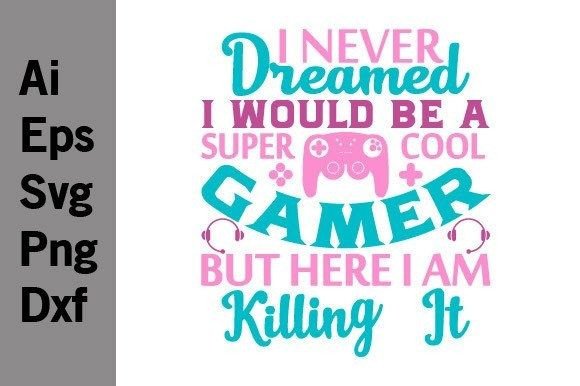
The phrase “I Never Dreamed I Would Be A Super Cool Gamer But Here I Am Killing It” captures a spirit of surprised achievement. In a practical sense, these graphic packages are the tools that make that achievement tangible. They empower the wearer to express that identity, and empower the creator to build a small business, enhance a brand, or simply make something unique and personal, all from a single, well-prepared digital asset integrated into a clear and efficient workflow.